mirror of
https://github.com/paperclipai/paperclip.git
synced 2026-10-23 09:07:46 +02:00
 DottaandPaperclip
a116713b9a
## Thinking Path > - Paperclip is the open source app people use to manage AI agents for work > - Governed MCP access spans contracts, runtime enforcement, adapters, UI surfaces, and operator verification > - The parity reference PR #9534 is too large for effective automated or human review > - The feature therefore needs a linear stack whose individual diffs stay below the 100-file review limit > - This pull request is split 6/8 and focuses on UI API, shared components, and Tools/Profile surfaces > - The benefit is a standalone, testable review boundary while preserving byte-for-byte parity at the top of the stack ## Linked Issues or Issue Description - Related parity reference: #9534 - Problem: Operators need typed clients and administration surfaces that compile independently before navigation exposes them. - Proposed solution: Adds UI APIs, hooks, libraries, shared components, Tools/Profiles pages, and the plugin settings consumer required by the new company-scoped API. - Alternatives considered: keeping #9534 as one 403-file review, or rewriting the feature to manufacture seams; both were rejected in favor of path extraction plus compile-driven boundary moves. - Roadmap alignment: this advances the existing governed MCP/tool-access work already represented by #9534; it does not introduce a separate roadmap initiative. - Stack position: base branch is `pap10341-split/05-runtime-integration`. - Merge policy: merge bottom-up, in order, only after the complete eight-PR stack has been reviewed and the top-of-stack parity gate remains empty. - Requested review: UXDesigner sanity pass on Tools/Profile surfaces; Greptile on every PR. ## What Changed - Adds UI APIs, hooks, libraries, shared components, Tools/Profiles pages, and the plugin settings consumer required by the new company-scoped API. - Keeps this PR below 100 changed files and independently typecheckable. - Preserves the final tree from #9534 when combined with the other seven stack levels. ## Verification - `pnpm typecheck` - `pnpm check:token-gates` — all gates clean - Focused UI Vitest run with `NODE_ENV=test` — 28 files, 183 tests passed ## Risks - Large dead-code UI additions can drift from activation routes; PR 7 supplies the registration layer and top-level parity catches omissions. - Stack risk: merging out of order can expose incomplete layers; mitigate by following the documented bottom-up merge policy. - Parity risk: later edits to an intermediate branch can drift from #9534; mitigate by re-running the empty top-of-stack diff before merge. > For core feature work, check [`ROADMAP.md`](ROADMAP.md) first and discuss it in `#dev` before opening the PR. Feature PRs that overlap with planned core work may need to be redirected — check the roadmap first. See `CONTRIBUTING.md`. ## Model Used - OpenAI Codex, exact model ID `gpt-5.4`; runtime-managed context window; medium reasoning with repository, shell, Git, GitHub CLI, and code-execution tools enabled. ## Checklist - [x] I have included a thinking path that traces from project context to this change - [x] I have specified the model used (with version and capability details) - [x] I have checked ROADMAP.md and confirmed this PR does not duplicate planned core work - [x] I have searched GitHub for duplicate or related PRs and linked them above - [x] I have either (a) linked existing issues with `Fixes: #` / `Closes #` / `Refs #` OR (b) described the issue in-PR following the relevant issue template - [x] Internal references are omitted except the execution-plan link explicitly required for this coordinated split stack - [x] My branch name describes the change and contains no internal Paperclip ticket id or instance-derived details - [x] I have run tests locally and they pass - [x] I have added or updated tests where applicable - [x] I have updated relevant documentation to reflect my changes - [x] I have considered and documented any risks above - [ ] All Paperclip CI gates are green - [ ] Greptile is 5/5 with no open P2s, recommendations, or follow-ups - [x] I will address all Greptile and reviewer comments before requesting merge ## Stack Coordination - Internal execution plan: [PAP-13874](/PAP/issues/PAP-13874#document-plan) - Parity reference: #9534 - Stack: #9556 → #9557 → #9558 → #9559 → #9560 → #9561 → #9562 → #9563 - Merge bottom-up only after full-stack review and an empty parity diff at #9563. ## UI Evidence QA captured these from the live Garden MCP split stack at 1440px and verified clean rendering: 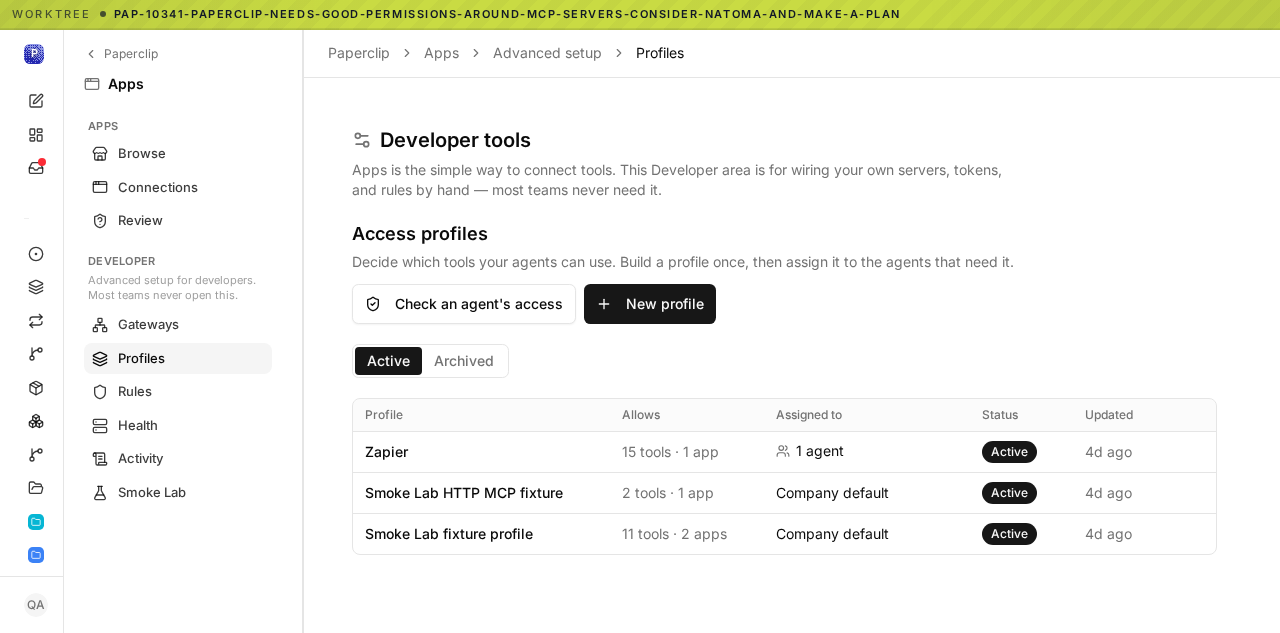 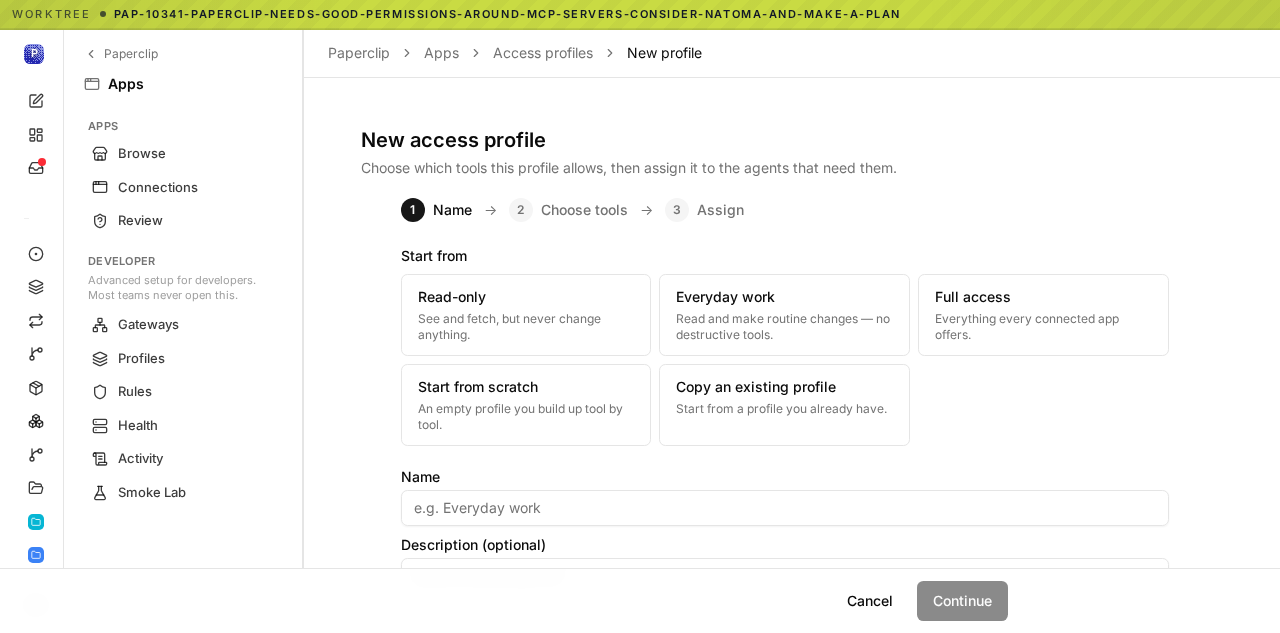 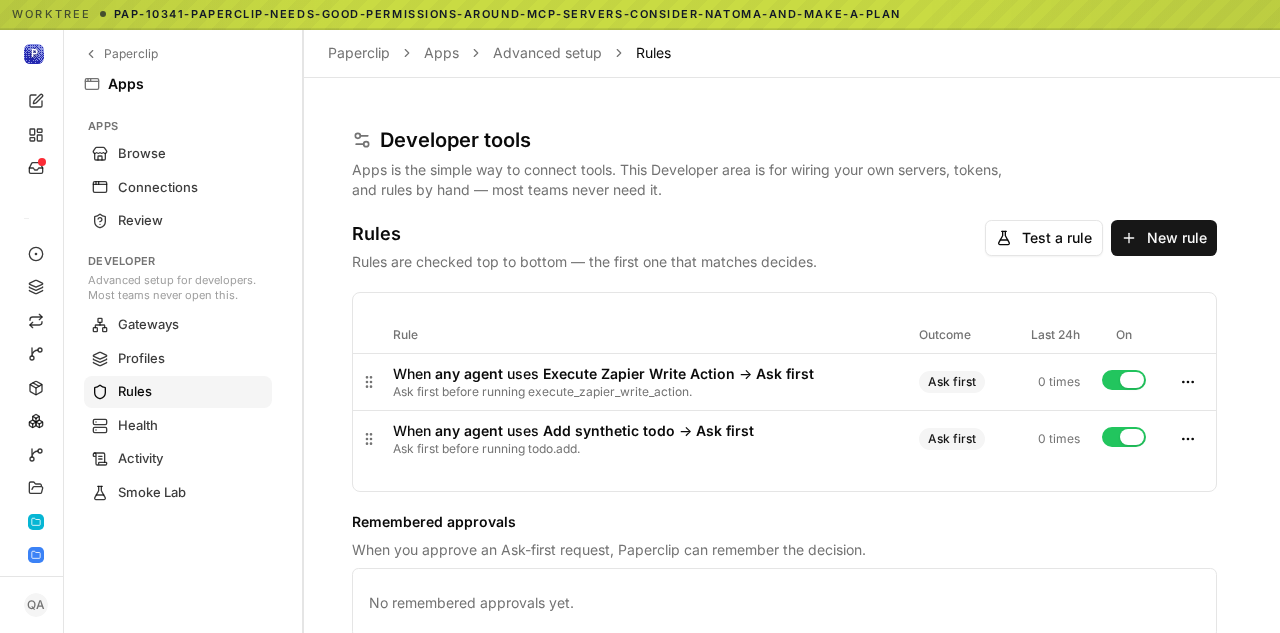 --------- Co-authored-by: Paperclip <noreply@paperclip.ing>



187 lines
6.2 KiB
TypeScript
187 lines
6.2 KiB
TypeScript
import {
|
|
authSessionSchema,
|
|
currentUserProfileSchema,
|
|
type AuthSession,
|
|
type CurrentUserProfile,
|
|
type UpdateCurrentUserProfile,
|
|
} from "@paperclipai/shared";
|
|
import { redactUrlSecrets } from "@/lib/redact-url-secrets";
|
|
|
|
type AuthErrorBody =
|
|
| {
|
|
code?: string;
|
|
message?: string;
|
|
error?: string | { code?: string; message?: string };
|
|
}
|
|
| null;
|
|
|
|
export class AuthApiError extends Error {
|
|
status: number;
|
|
code: string | null;
|
|
body: unknown;
|
|
|
|
constructor(message: string, status: number, body: unknown, code: string | null = null) {
|
|
super(message);
|
|
this.name = "AuthApiError";
|
|
this.status = status;
|
|
this.code = code;
|
|
this.body = body;
|
|
}
|
|
}
|
|
|
|
function toSession(value: unknown): AuthSession | null {
|
|
const direct = authSessionSchema.safeParse(value);
|
|
if (direct.success) return direct.data;
|
|
|
|
if (!value || typeof value !== "object") return null;
|
|
const nested = authSessionSchema.safeParse((value as Record<string, unknown>).data);
|
|
return nested.success ? nested.data : null;
|
|
}
|
|
|
|
function extractAuthError(payload: AuthErrorBody, status: number) {
|
|
const nested =
|
|
payload?.error && typeof payload.error === "object"
|
|
? payload.error
|
|
: null;
|
|
const code =
|
|
typeof nested?.code === "string"
|
|
? nested.code
|
|
: typeof payload?.code === "string"
|
|
? payload.code
|
|
: null;
|
|
const message =
|
|
typeof nested?.message === "string" && nested.message.trim().length > 0
|
|
? nested.message
|
|
: typeof payload?.message === "string" && payload.message.trim().length > 0
|
|
? payload.message
|
|
: typeof payload?.error === "string" && payload.error.trim().length > 0
|
|
? payload.error
|
|
: `Request failed: ${status}`;
|
|
|
|
return new AuthApiError(message, status, payload, code);
|
|
}
|
|
|
|
// Rich diagnostics for auth requests. Network-layer failures (Safari
|
|
// "Load failed" / Chrome "Failed to fetch") throw a TypeError *before* any
|
|
// HTTP response, so they are indistinguishable from a bad password in the UI
|
|
// unless we log the resolved request URL + origin here. See PAP-13466.
|
|
function resolveAuthUrl(path: string) {
|
|
const relative = `/api/auth${path}`;
|
|
try {
|
|
return new URL(relative, window.location.origin).href;
|
|
} catch {
|
|
return relative;
|
|
}
|
|
}
|
|
|
|
function logAuthNetworkFailure(method: string, path: string, error: unknown) {
|
|
// eslint-disable-next-line no-console
|
|
console.error("[auth] request failed at the network layer (no HTTP response)", {
|
|
method,
|
|
requestUrl: resolveAuthUrl(path),
|
|
pageOrigin: typeof window !== "undefined" ? window.location.origin : "(no window)",
|
|
pageHref: typeof window !== "undefined" ? redactUrlSecrets(window.location.href) : "(no window)",
|
|
credentials: "include",
|
|
online: typeof navigator !== "undefined" ? navigator.onLine : "(no navigator)",
|
|
errorName: error instanceof Error ? error.name : typeof error,
|
|
errorMessage: error instanceof Error ? error.message : String(error),
|
|
error,
|
|
hint:
|
|
"This means the browser never got a response from the server. Common causes: " +
|
|
"the page origin differs from the API host (mixed http/https, wrong hostname/port, " +
|
|
"or a proxy/tunnel that only forwards the page but not /api), an SSL error, or the " +
|
|
"connection was reset. A wrong password would instead return HTTP 401, not this.",
|
|
});
|
|
}
|
|
|
|
function logAuthHttpError(method: string, path: string, status: number, statusText: string, body: unknown) {
|
|
// eslint-disable-next-line no-console
|
|
console.error("[auth] request returned an error status", {
|
|
method,
|
|
requestUrl: resolveAuthUrl(path),
|
|
status,
|
|
statusText,
|
|
body,
|
|
});
|
|
}
|
|
|
|
async function authPost(path: string, body: Record<string, unknown>) {
|
|
let res: Response;
|
|
try {
|
|
res = await fetch(`/api/auth${path}`, {
|
|
method: "POST",
|
|
credentials: "include",
|
|
headers: { "Content-Type": "application/json" },
|
|
body: JSON.stringify(body),
|
|
});
|
|
} catch (networkError) {
|
|
logAuthNetworkFailure("POST", path, networkError);
|
|
throw networkError;
|
|
}
|
|
const payload = await res.json().catch(() => null);
|
|
if (!res.ok) {
|
|
logAuthHttpError("POST", path, res.status, res.statusText, payload);
|
|
throw extractAuthError(payload as AuthErrorBody, res.status);
|
|
}
|
|
return payload;
|
|
}
|
|
|
|
async function authPatch<T>(path: string, body: Record<string, unknown>, parse: (value: unknown) => T): Promise<T> {
|
|
const res = await fetch(`/api/auth${path}`, {
|
|
method: "PATCH",
|
|
credentials: "include",
|
|
headers: { "Content-Type": "application/json", Accept: "application/json" },
|
|
body: JSON.stringify(body),
|
|
});
|
|
const payload = await res.json().catch(() => null);
|
|
if (!res.ok) {
|
|
throw extractAuthError(payload as AuthErrorBody, res.status);
|
|
}
|
|
return parse(payload);
|
|
}
|
|
|
|
export const authApi = {
|
|
getSession: async (): Promise<AuthSession | null> => {
|
|
const res = await fetch("/api/auth/get-session", {
|
|
credentials: "include",
|
|
headers: { Accept: "application/json" },
|
|
});
|
|
if (res.status === 401) return null;
|
|
const payload = await res.json().catch(() => null);
|
|
if (!res.ok) {
|
|
throw new Error(`Failed to load session (${res.status})`);
|
|
}
|
|
const direct = toSession(payload);
|
|
if (direct) return direct;
|
|
const nested = payload && typeof payload === "object" ? toSession((payload as Record<string, unknown>).data) : null;
|
|
return nested;
|
|
},
|
|
|
|
signInEmail: async (input: { email: string; password: string }) => {
|
|
await authPost("/sign-in/email", input);
|
|
},
|
|
|
|
signUpEmail: async (input: { name: string; email: string; password: string }) => {
|
|
await authPost("/sign-up/email", input);
|
|
},
|
|
|
|
getProfile: async (): Promise<CurrentUserProfile> => {
|
|
const res = await fetch("/api/auth/profile", {
|
|
credentials: "include",
|
|
headers: { Accept: "application/json" },
|
|
});
|
|
const payload = await res.json().catch(() => null);
|
|
if (!res.ok) {
|
|
throw new Error((payload as { error?: string } | null)?.error ?? `Failed to load profile (${res.status})`);
|
|
}
|
|
return currentUserProfileSchema.parse(payload);
|
|
},
|
|
|
|
updateProfile: async (input: UpdateCurrentUserProfile): Promise<CurrentUserProfile> =>
|
|
authPatch("/profile", input, (payload) => currentUserProfileSchema.parse(payload)),
|
|
|
|
signOut: async () => {
|
|
await authPost("/sign-out", {});
|
|
},
|
|
};
|